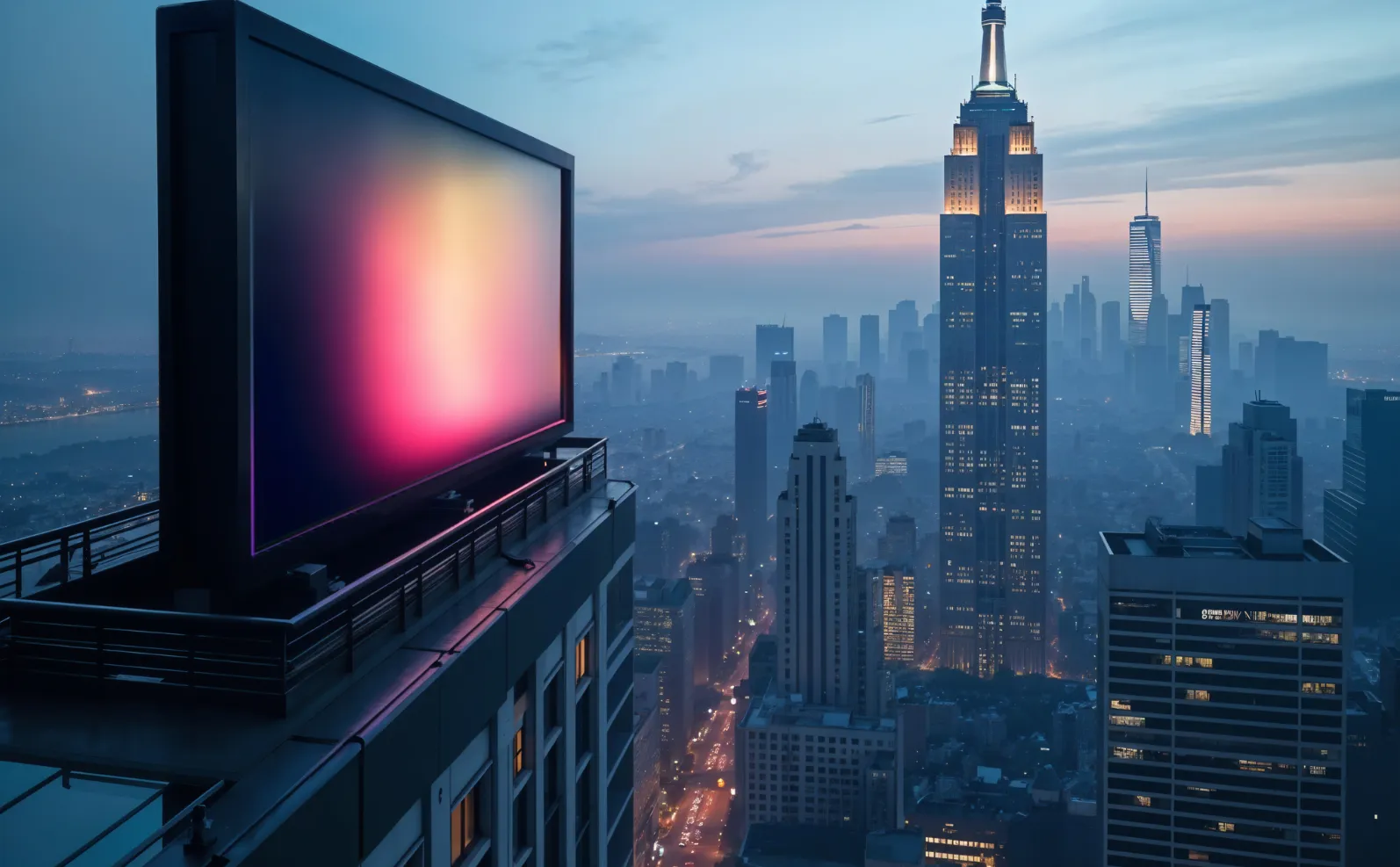
Advertising Display Company Abu Dhabi: Indoor & Outdoor
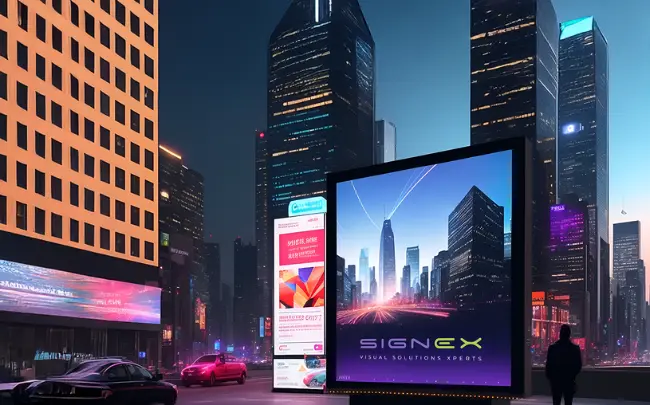
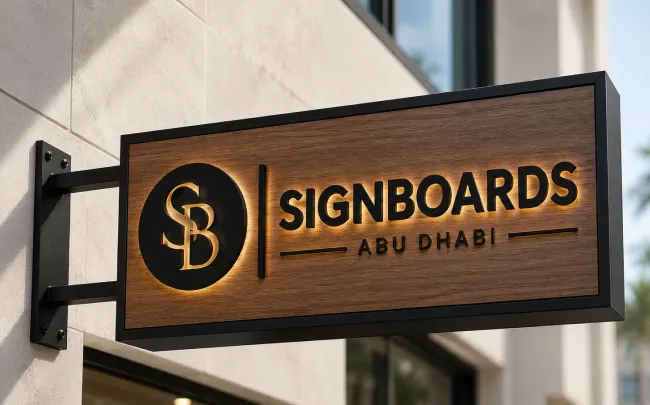
Drive along any main road in Abu Dhabi and you will pass a hoarding, an LED screen, and a lit storefront sign within the same five minutes. An advertising display company in Abu Dhabi has to work across both environments at once. Indoor spaces come with controlled lighting and steady temperatures. Outdoor sites face heat, dust, and direct sun for most of the year. The two settings call for different materials, different mounting approaches, and different maintenance routines, even when the end goal, getting a brand noticed, stays the same.
Indoor Displays: What Does a Signage Company Abu Dhabi Trusts Build?
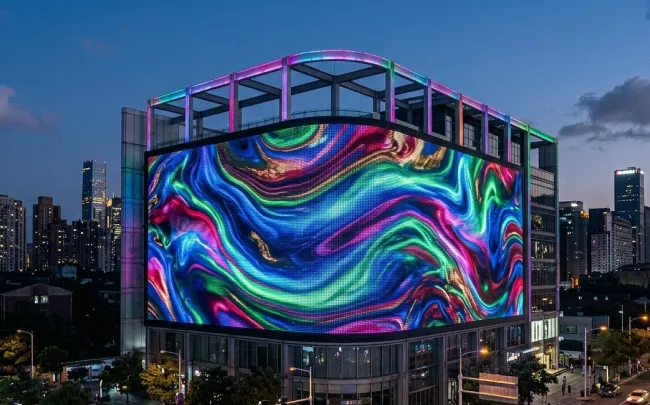
Indoor work centers on spaces where the environment can be controlled. Retail stores, corporate offices, and commercial lobbies typically use LED screens, video walls, and CMS-powered touchscreen kiosks that let staff update content remotely instead of reprinting anything.
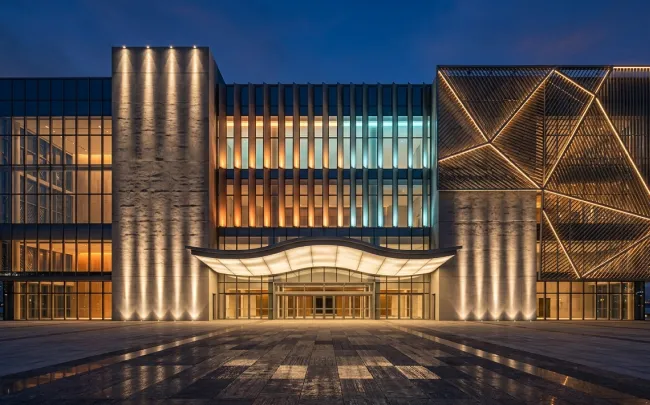
Video walls built with tight LED pitch specifications are common in corporate lobbies and experience centers, where image clarity matters at close viewing distance. Facade lighting and interior signage round out the indoor category, often finished to LEED-certified standards for buildings that need to meet sustainability requirements.
None of this is plug-and-play. Structural engineering still matters indoors, mounting a large video wall safely on an interior partition is a different calculation than bolting a small logo sign above a reception desk. A signage company Abu Dhabi businesses rely on will typically walk through wall load capacity, cable routing, and CMS network setup before installation day, not after.
Advertising Display Company: Treating Outdoor Work Differently
Move outside and the priorities shift. An advertising display company has to plan for heat that regularly climbs past 45 degrees in summer, blowing sand, and UV exposure strong enough to fade standard inks within months. Materials get chosen for durability first, appearance second, because a hoarding that looks sharp for six weeks and then bleaches out in the sun does not serve the client.
Structural safety carries more weight outdoors too. A hoarding mounted along a busy road or wrapped around a construction site fence has to withstand wind load, not just gravity. That is why outdoor projects usually involve a separate engineering review, checking mounting points, frame strength, and anchor depth, before any printing begins.
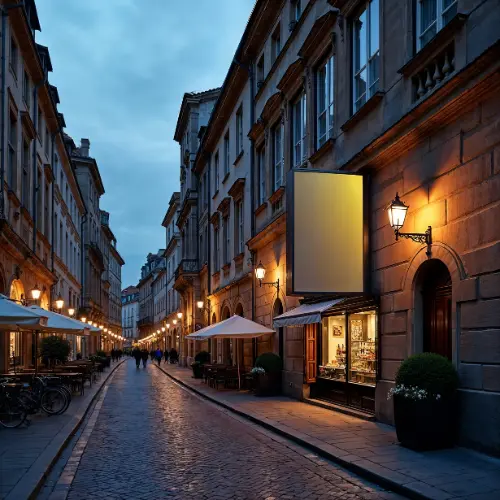

Hoardings, Banners, and the Materials Behind Them
Outdoor advertising covers more ground than most people expect. Construction site hoardings double as security barriers and branding opportunities at once. Branding hoardings on standalone frames along major roads work more like billboards, built for visibility from a moving vehicle rather than a close read. Advertising hoarding companies in Abu Dhabi also handle banner printing, flex, vinyl, and mesh, for anything from a weekend promotion to a season-long campaign.
Material choice depends almost entirely on where the piece will sit. Flex works well for large, low-cost prints where the surface stays relatively sheltered. PVC holds up under more physical stress, useful for boards that take wind pressure directly. Vinyl gives sharper image clarity for detailed graphics. Mesh banners, punched with small perforations, let wind pass through instead of tearing the material off its frame, which matters in open, exposed locations around the city.
Permits, Climate, and What Businesses Should Know Before Installing
Outdoor signage in Abu Dhabi is not a matter of picking a spot and putting up a board. Municipal approval is required for most exterior installations, covering size, placement, and structural safety, and the process typically runs alongside the design phase rather than after it. Skipping this step risks fines or forced removal, so it is worth confirming permit status in writing before any material goes up.
Climate resistance is the other non-negotiable. UV-protected ink and weather-resistant substrates are not upsells; they are the baseline for anything meant to last more than a season outdoors. Indoor materials do not need the same protection, which is part of why costs and lead times differ so much between the two categories.
Final Thoughts
Indoor and outdoor advertising solve different problems with different tools, even under the same brand. A retail kiosk and a roadside hoarding rarely share a supplier by accident, they share one because that supplier understands both environments well enough to get the engineering and materials right in each. If you are weighing indoor versus outdoor for an upcoming project, which constraint matters more for your business right now, visibility from a distance, or engagement up close?
FAQ
Depends on where your customers actually are. Retail counters and offices benefit more from indoor screens and kiosks since people are already inside. Roadside visibility, though, only comes from outdoor hoardings or banners. Most brands with a physical location end up using a mix of both.
Yes, almost always. Municipal approval covers size, placement, and structural safety for exterior installations. Skipping it can mean fines or having the board taken down, so it pays to sort permits out before printing starts.
Flex is the budget option for large prints in sheltered spots. Vinyl gives sharper detail and handles moderate exposure well. Mesh has small perforations that let wind pass through, which is why it shows up most on open sites where regular banners would tear.
Once the design is locked, three to five working days is typical for standard installations. Larger digital displays or anything requiring heavier structural work takes longer, mainly because of the engineering checks involved.
Outdoor materials need UV-resistant ink and weatherproof substrates built to survive heat and sun, which pushes costs up. Indoor pieces skip that requirement entirely since they never face direct weather, so pricing reflects a genuinely different material spec, not just size.