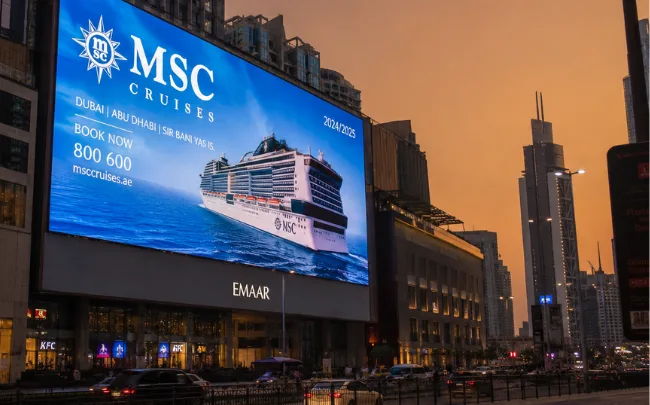
Outdoor LED Screen Supplier in Dubai: After Installation
An outdoor LED screen supplier in Dubai finishes the visible part of the job the day the panels light up. The real test starts weeks later, when heat, dust, and humidity begin working on the hardware and someone has to keep the content running and the paperwork current.
Why Does a Signage Company's Job Not End at Handover?
A completed installation looks final. The panels are mounted, the cabling is hidden, and the screen is already cycling test content. But ownership of an outdoor display starts on install day, not ends there. Whoever sold and fitted the screen usually shapes how the next several years go, right down to who picks up the phone when a panel dims or content stops updating.
This is where signage company selection matters as much after the fact as before it. A supplier that treats installation as the finish line tends to go quiet once the invoice clears. One that handles design, permits, installation, and after-sales support under a single team has a practical reason to keep answering calls.
Permits Don't Stop Once the Screen Is Up
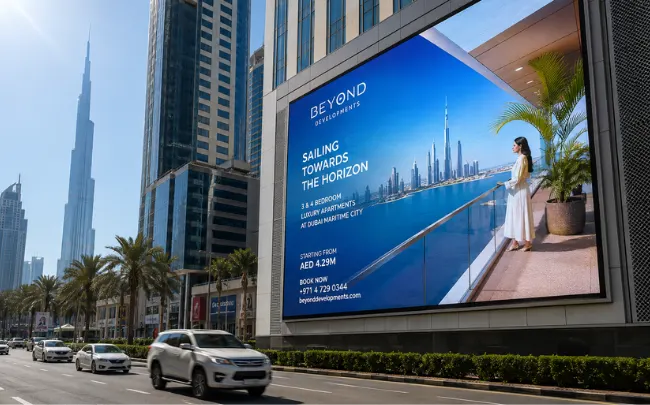
Dubai treats outdoor advertising and digital signage as regulated activity, not a design choice. Decree No. 6 of 2020 requires a permit before any advertisement, including a digital screen, goes live, and the issuing body depends on where the screen sits. Dubai Municipality handles buildings, vacant land, and coastal sites, while the RTA covers anything facing a public right of way. Applications typically go through Dubai Municipality’s online advertisement permit system, which also manages renewals and cancellations.
Permits also expire. Most run for a set period and need renewing, along with fresh approval if the screen’s size or content format changes later. A supplier that files the original application but leaves renewal entirely to the client is handing back a compliance problem that nobody signed up for.
Dubai's Climate Works Against Outdoor Hardware
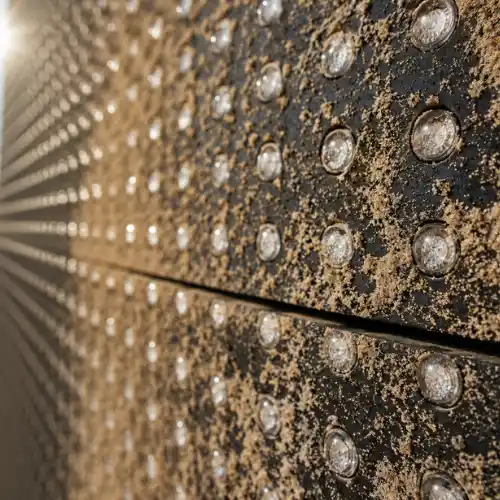
Sand and heat shorten an outdoor screen’s working life faster than almost anything else. Fine dust settles on lens surfaces and can measurably dim output within months if nobody cleans it. Summer surface temperatures on an unshaded facade routinely exceed what indoor-rated components tolerate, which is why outdoor units carry IP66 or IP67 sealing rather than a standard enclosure.
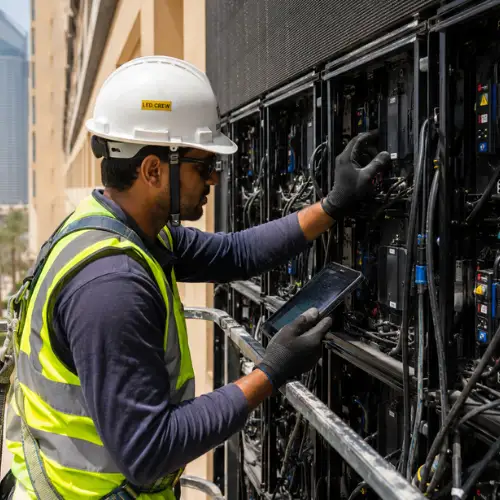
None of that removes the need for a physical look at the hardware. Cable connections loosen with repeated thermal cycling, and coastal humidity accelerates corrosion on anything not properly gasketed. Suppliers who install and maintain outdoor screens regularly tend to build a quarterly inspection into the service agreement instead of waiting for a visible fault to force a callout.
Who Actually Controls the Content
Once a screen is live, someone still has to manage what plays on it. Cloud-based content management software lets a marketing team swap creative, set day-parting schedules, or push a new campaign from a laptop without touching the hardware itself. That matters more than it sounds, since a screen looping the same static content for months loses most of its advantage over ordinary print.
The practical question worth asking before sign-off is who holds admin access once the project wraps, and whether changing the schedule means calling the installer back every single time.
Choosing an Outdoor LED Screen Supplier in Dubai for the Long Term
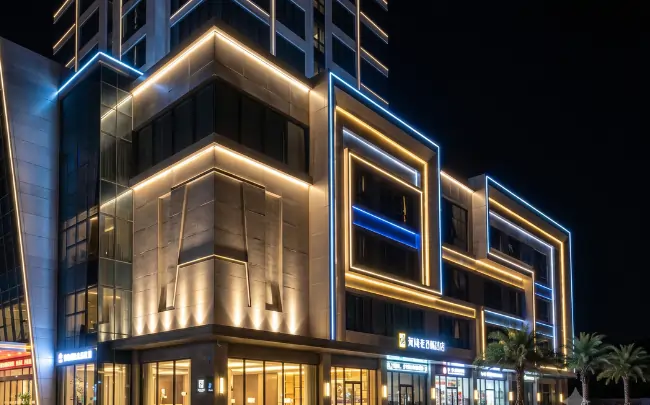
Warranty length is a fair proxy for how a supplier expects the relationship to unfold. Some Dubai-based providers, including full-service operators that also handle facade lighting installation and video wall systems, back their outdoor installations for three to five years rather than the shorter industry norm. That gap usually reflects confidence in the components used, not just marketing copy.
A supplier covering screens, facade lighting, and video wall work under one team also means fewer vendors to coordinate later, particularly once a building’s display plans grow past a single outdoor panel into a wider facade concept.
Final Thoughts
Picking an outdoor LED screen supplier in Dubai is really two decisions stacked together: who builds it, and who keeps it running. The install date is the easy part to judge. What happens at month eighteen, when a panel needs replacing or a permit needs renewing, says more about the partnership than any spec sheet does.
Worth asking before signing anything: what does year two actually look like with this provider?
FAQ
Yes, almost always. Decree No. 6 of 2020 requires approval before any outdoor advertisement goes live, and the authority depends on the site; Dubai Municipality for most buildings and the RTA if it faces a public road.
Quarterly is the common recommendation. Sand buildup on the lenses and heat stress on the connections both creep up faster than most people expect in this climate.
Usually, yes. Most systems ship with cloud-based content management software, so updates go through a laptop or phone rather than a technician visit. Ask upfront who holds admin access.
It varies by supplier, but some Dubai-based providers offer three to five years rather than the shorter standard. A short warranty combined with vague after-sales terms is worth a second look before signing.
Some do, some don’t. Full-service providers cover screens, facade lighting installation, and video wall systems together, which tends to simplify things if a building’s display plans expand later.