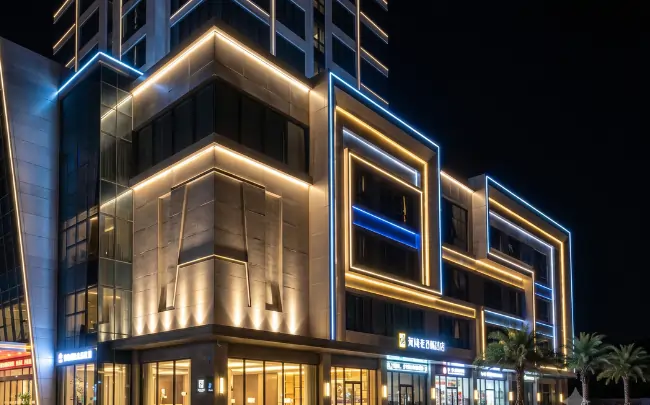
Facade Lighting Company: What It Actually Does for a Commercial Building
Walk past most commercial buildings after 8pm and you will notice something: they disappear. The shopfront goes dark, the signage fades into the background, and the building communicates nothing to anyone passing by. That is a problem if the business inside is still open or if the building is meant to project a particular image to the city around it. This is where working with a facade lighting company becomes a practical decision rather than a cosmetic one.
Here is a clear breakdown of what exterior illumination actually delivers for commercial properties and what is worth thinking through before any project begins.
Table of Contents:
What Does a Facade Lighting Company Actually Do?
The job is not just fitting lights to a wall. A specialist facade lighting company designs a system around how a specific building is shaped, what materials cover it, what the brand needs to communicate, and what the surrounding environment looks like at night.
The result is a lighting scheme that makes the building readable, visually distinct, and purposeful after dark, rather than just bright.
Buildings That Read Clearly at Night Pull More Traffic
For retail, hospitality, and food businesses, the evening hours are often the busiest. A building with no exterior lighting reads as closed even when it is not. One that is well-lit signals activity, openness, and relevance to anyone walking or driving past.
This is not a theory. Studies in commercial real estate and urban planning consistently find that building visibility at night connects directly to foot traffic patterns and customer decision-making.
Architectural Lighting Works With the Building, Not Against It
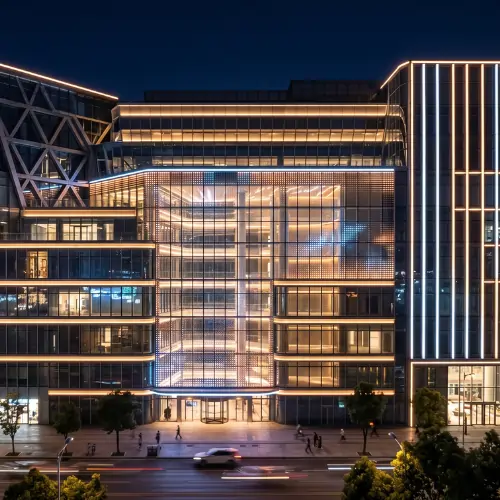
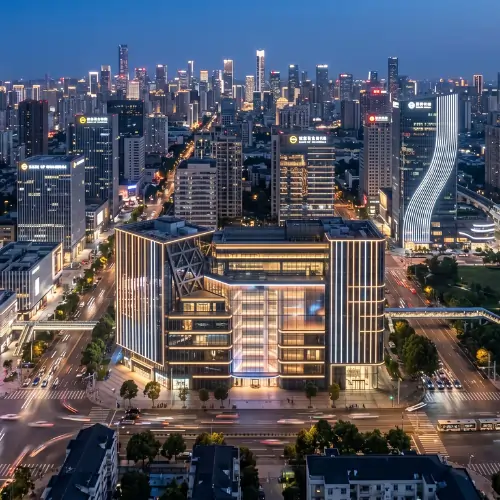
There is a meaningful difference between floodlighting a building and illuminating it architecturally. Floodlighting throws even light across the surface and tends to flatten everything. Architectural facade lighting uses angle, contrast, and placement to bring out what is already there: a textured surface, a recessed entrance, a structural feature that defines the building’s character.
Facade lighting companies with genuine design experience will approach it the second way. The goal is to make the building look like itself, but better, after dark.
Light Colour and Temperature Shape Brand Perception
How light feels matters as much as how bright it is. Warm white tones suit hospitality venues, boutique retail, and residential developments because they feel approachable and human. Cooler whites and blue-toned lighting lean toward technology, finance, and professional services. Dynamic colour systems, which allow a building to shift its exterior palette for events, campaigns, or seasonal moments, are increasingly common on flagship commercial properties.
These are not decorative choices. They feed directly into how a brand is perceived from the street.
Exterior Lighting Improves Safety Around a Property
This one tends to get overlooked in design conversations, but it matters. Lit entrances, illuminated pathways, visible car park edges, and clearly marked steps all reduce the chance of someone getting hurt on or around the property after dark.
For building owners and property managers, that has direct implications for duty of care and liability. It also makes the property feel safer to the people using it, which is worth something on its own.
What Good Facade Lighting Does for Property Value
A commercial building with a considered exterior lighting scheme looks better maintained and more professionally managed than one without. In any district where multiple properties compete for tenants, clients, or buyers, that perception gap becomes a financial one.
Exterior curb appeal, including lighting quality, is a recognised factor in commercial property valuation and occupancy. The Urban Land Institute has published extensively on how physical presentation affects commercial asset performance.
LED Systems Are Now the Standard for a Good Reason
Modern LED facade lighting uses a fraction of the energy that older halogen and fluorescent exterior systems required, with the same or better brightness. Operational lifespans are longer, maintenance intervals are further apart, and the range of colour temperatures and form factors available has expanded considerably.
For buildings working toward sustainability certifications or trying to bring energy costs down, LED facade systems contribute on both fronts without sacrificing visual quality.
Why UAE Climate Experience Matters for This Work
Exterior lighting in Abu Dhabi or Dubai faces conditions that do not apply in most other markets. High ambient temperatures, dust accumulation, intense UV exposure, and coastal humidity in some locations all affect how fittings perform over time.
A facade lighting company that works specifically in this region will specify IP-rated fittings built for outdoor use and materials that hold up to these conditions across years of operation, not just months. Sign Express Advertising Systems Tech LLC operates out of Abu Dhabi and handles facade lighting projects across the UAE, designing around both the architectural brief and the practical realities of building exteriors in this climate.
Final Thoughts
Facade lighting is one of the most visible investments a commercial building owner can make. It affects how the property reads at night, how the brand lands with people passing by, how safe the building feels to use, and how the asset is perceived by potential tenants or buyers.
If your building goes dark after sunset, the question worth sitting with is simple: how many people are walking past every evening without registering it at all?
FAQ
For anything in retail, hospitality, or food and beverage, the honest answer is yes. A lit building registers as open and active. A dark one does not, regardless of what the hours on the door say. Visibility drives decisions, especially for walk-in traffic.
Quality LED systems run for tens of thousands of operational hours before replacement is needed. In day-to-day terms, that is several years of consistent use. The exact figure depends on the fittings specified, the installation quality, and how the system is maintained.
With a smart LED setup, yes. Brightness, colour temperature, and, in some systems, dynamic colour can all be adjusted remotely through a controller. That gives building managers the flexibility to respond to events or seasonal changes without touching the physical installation.
Yes. Most exterior commercial building works, including lighting installations, require municipal approvals. A facade lighting company with local UAE experience manages this process as part of the project, which saves the building owner from navigating it independently.
Mostly intent. A poor job illuminates a building uniformly and calls it done. A good job uses the lighting to draw out the building’s character, support the brand, and create the right atmosphere from the street. The difference is usually visible within seconds of looking at two properties side by side.